Contact Us
✖

    Pressure Sensors

    Filter by Image Clear All
    MRG23 Flush Diaphragm Strain Gauge Pressure Transducer
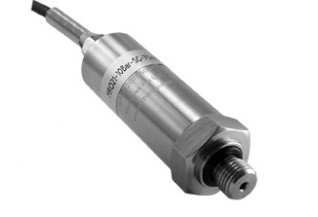
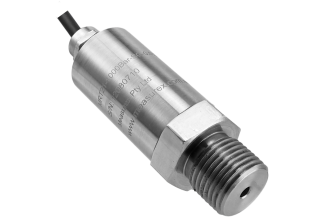
    MRS22 Strain Gauge Pressure Transmitter High Pressure
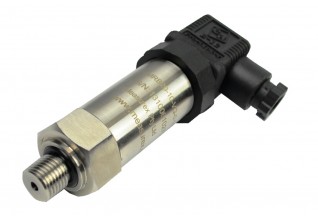
    MRB28 General Purpose Piezo-resistive Digital Pressure Transmitter
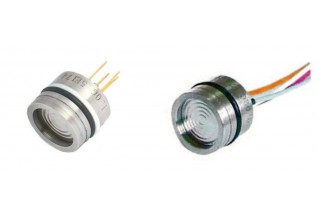
    MRA21 OEM Piezo-Resistive Pressure Sensor
    MRO21 MEMS-based Pressure Transducer for Harsh Environments
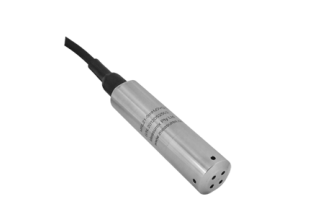
    MRL22 Submersible Level Transducer
    1 2 3 4 5 8

    Pressure Sensors – MeasureX Australia

    MeasureX is Australia’s leading provider of advanced pressure sensors, offering high-quality, reliable and precise products to a diverse range of industries. Our solutions are tailored to the needs of industrial, environmental and research applications, providing strong technology for accurate pressure measurements and system monitoring even under extreme conditions.

    Backed by years of extensive experience in sensor technologies, MeasureX offers industrial-grade pressure transducers and transmitters that stand up to the challenging Australian weather conditions. The pressure of gases or liquids is converted into electrical signals by each sensor that can be used in monitoring systems, automation designs and control networks to promote safe and effective use.

    Our in-house engineering team also provides custom sensor solutions, calibration services and technical support to ensure that every product is best optimised to your particular application. From industrial manufacturing and water management to scientific testing and measurement supplies, our selection of MeasureX pressure sensors provides easy access to the data you can use in your decision-making process and system performance.

    Understanding Pressure Sensors

    A pressure sensor, also known as a pressure transducer or pressure transmitter, generates an electrical output from the force that is generated by gases or liquids. This output is available for display, processing or activation and control of machinery and safety systems.

    Pressure is generally measured in pascals (Pa), bars, atmospheres (atm) or pounds per square inch (psi). Based on the system requirements, sensors can measure the following:

    • Absolute pressure: Pressures with respect to a perfect vacuum. Great for weather stations or altitude measurement.
    • Gauge pressure: Pressure relative to atmospheric pressure. For use in hydraulic systems, automotive applications and other fluid transfer system pipelines.
    • Differential pressure: Measures the difference between two points. Used in testing and monitoring HVAC systems, filtration efficiency and cleanroom services.

    Precise pressure measurements are essential for preserving system integrity, maximising performance and safeguarding in both industry and research settings.

    Our Comprehensive Range of Pressure Sensors

    MeasureX offers a wide selection of pressure sensors in Australia, designed for precision, durability, and compliance with international standards. Each sensor type serves specific applications and environmental requirements.

    1. Industrial Pressure Transducers and Transmitters

    These sensors are designed to translate mechanical pressure into accurate electrical data. Suitable for hydraulic presses, pneumatic controls, and automatic production lines, they provide precise system monitoring and process control. Made from a high-quality stainless steel material and incorporated with advanced signal conditioning, these transmitters can withstand vibration and temperature variations that the industry throws their way while delivering accurate results over time.

    2. Differential and Low-Pressure Sensors

    High-sensitivity sensor for detecting the pressure difference between two points. Ideal for use in HVAC systems, air purifiers, and cleanroom monitoring, these devices provide accurate measurements within low-pressure environments, delivering ultimate system efficiency while also complying with both environmental and safety specifications.

    3. Submersible Pressure Sensors

    Designed for immersion, these sensors measure liquid levels and depth in tanks, reservoirs, and boreholes. Built with corrosion-resistant housings, they are ideal for water, wastewater, and irrigation systems, offering long-term stability and consistent readings in harsh environmental conditions.

    4. Hydrogen-Compatible Pressure Sensors

    Specialised sensors for hydrogen applications, fuel cells, and renewable energy systems. Made from materials resistant to hydrogen embrittlement and leakage, they provide accurate and safe measurements in energy storage, gas handling, and laboratory testing environments.

    5. Miniature and OEM Sensors

    Compact and lightweight, these sensors fit into space-constrained applications like medical devices, aerospace instruments, and OEM integrations. Despite their size, they provide high-accuracy measurements, ensuring reliability where precision is critical.

    6. High-Temperature and Melt Pressure Transducers

    Engineered for extreme conditions such as plastic extrusion, injection moulding, and die-casting, these sensors withstand high temperatures and pressures while maintaining accuracy. Their robust design ensures consistent monitoring and helps prevent production errors.

    7. Digital Pressure Gauges and Switches

    Digital gauges provide clear, on-screen readings, while pressure switches trigger safety or control actions automatically when preset limits are reached. These sensors are ideal for process monitoring and automated system protection.

    8. Certified Pressure Sensors for Hazardous Areas

    IECEx and ATEX-certified sensors are suitable for explosive or high-risk environments, including oil, gas, and mining industries. These intrinsically safe sensors ensure reliable pressure measurement and operational safety in hazardous conditions.

    Pressure Sensing Technologies

    MeasureX uses cutting-edge pressure sensing technologies to deliver you accurate, repeatable and reliable measurements.

    Technology Type Description Applications
    Strain Gauge (Resistive) Measures resistance changes as a diaphragm deforms under pressure. Industrial and OEM systems
    Capacitive Detects small capacitance variations for low-pressure environments. HVAC, lab instruments, environmental monitoring
    Piezoelectric Generates an electric charge under dynamic pressure changes. Vibration, impact testing, engine monitoring
    Optical Uses light interference, immune to electromagnetic noise. Medical, high-precision labs
    MEMS (Micro-Electro-Mechanical Systems) Silicon-based, compact sensors for portable and embedded systems. Automotive, OEM devices, medical instruments


    Applications Across Industries

    MeasureX pressure sensors are already trusted across a range of industries in Australia. Key sectors include:

    • Manufacturing & Automation: Inspect hydraulic and pneumatic systems to detect inefficiencies or malfunctions throughout the production process, ensuring efficiency and safety.
    • Water & Wastewater Management: Monitor tank levels, activate pumps and maintain pressure in municipal and industrial systems.
    • Oil, Gas & Mining: IECEx-approved sensors for safe operations in high-hazard and high-pressure applications.
    • Medical & Pharmaceutical: Facilitate precise monitoring in ventilators, infusion pumps and sterilisation systems.
    • Aerospace & Automotive: Check airspeed, engine and brake pressure for test and safety validation
    • Research & Development: Promote laboratory tests and experiments, calibration and pressure mapping analysis with high stability and precision.

    Choosing the Right Pressure Sensor

    Selecting the correct sensor requires consideration of multiple factors:

    • Pressure Type: Absolute, gauge, differential, or sealed-gauge.
    • Measurement Range: Low-pressure air systems vs. high-pressure hydraulics.
    • Output Signal: Analogue (mV, V), current (4–20 mA), or digital (I²C, SPI, RS-485).
    • Operating Environment: Standard, submersible, or hazardous areas.
    • Accuracy & Material: Sensor diaphragm material and sensing technology influence resolution and longevity.

    Expert Tip: Matching the sensor to the fluid type, temperature, and environmental conditions ensures maximum reliability and reduces maintenance costs. MeasureX engineers are available to guide your selection.

    Why Choose MeasureX

    • Extensive Industry Experience: Industrial pressure sensors with decades of proven performance.
    • Comprehensive Product Range: From miniature to high-temperature and submersible sensors.
    • Custom Engineering Solutions: Customised sensors to fit unique system needs.
    • Local Support and Calibration: On-site maintenance, calibration and expert advice throughout the product life cycle.

    Our sensors provide accuracy from ±0.05% to ±0.5% of full scale, depending on model and application.

    Yes. Our sensors are IECEx Certified and designed to be used in explosion & hazardous areas.

    Yes. We also offer in-house calibration, installation assistance, and lifetime technical support.

    Yes. Many models support digital connectivity for remote monitoring, cloud logging, and system integration.

    A pressure sensor is a device used to measure and monitor the pressure of fluids or gases. It detects changes in pressure and converts them into an electrical signal that various systems can interpret and utilise. Pressure sensors are also widely used in industries across Australia, such as automotive, manufacturing, aerospace, and healthcare, to ensure proper functioning and safety.

    There are various types of pressure sensors available, including: 

    • Strain gauge pressure sensors: Utilise the deformation of a strain gauge to measure pressure. 
    • Capacitive pressure sensors: Measure pressure changes by detecting the variation in capacitance. 
    • Piezoresistive pressure sensors: Utilise the change in resistance of a material under pressure to measure pressure. 
    • Digital pressure sensors: Provide a digital output, often in the form of a digital communication protocol. 

    Pressure sensors work based on different principles. For example, a strain gauge pressure sensor contains a thin metal diaphragm that deforms under applied pressure, causing a change in resistance. This change is then measured and converted into an electrical signal. Similarly, capacitive low cost pressure sensors measure changes in capacitance caused by pressure-induced deflection. Piezoresistive pressure sensors use the piezoresistive effect, where the resistance of certain materials changes when subjected to pressure. 

    Oil pressure is crucial for the proper functioning and lubrication of an engine. An oil pressure sensor monitors the oil pressure. It alerts the driver or engine control system if the pressure falls below the recommended level. Maintaining proper oil pressure ensures sufficient lubrication of engine components, reduces friction and wear, and prevents engine damage due to insufficient lubrication. It also helps in cooling critical engine parts, such as bearings and pistons. It ensures optimal performance and longevity of the engine.

    Pressure sensors have various applications in Australia, including: 

    • Automotive industry: Monitoring tire pressure, engine oil pressure, and fuel pressure. 
    • Industrial manufacturing: Monitoring and controlling process pressure in machinery and pipelines. 
    • HVAC systems: Monitoring air and gas pressure in heating, ventilation, and air conditioning systems. 
    • Medical devices: Monitoring blood pressure, respiratory pressure, and infusion pressure. 
    • Aerospace industry: Monitoring cabin, fuel, and hydraulic system pressure.

    A faulty oil pressure sensor can potentially cause engine damage if it fails to detect low oil pressure accurately. Insufficient oil pressure can lead to inadequate lubrication, increasing friction, heat, and wear on engine components. Over time, this can cause damage to bearings, camshafts, crankshafts, and other vital engine parts. It is essential to promptly address any oil pressure sensor issues promptly to prevent potential engine damage. Regular maintenance and monitoring of oil pressure, along with the proper functioning of the oil pressure sensor, are crucial for the longevity and performance of the engine. 

    © 2015-2025 Measurex. All Rights Reserved.

    Select at least 2 products
    to compare